Belly fat can be one of the most stubborn areas to change. You may exercise regularly, eat more carefully, and still feel like your waistline is not responding as quickly as you want.
The good news is that losing belly fat does not require a magical food, extreme fasting routine, or hundreds of abdominal exercises. The most effective approach is to reduce overall body fat through sustainable eating habits, regular physical activity, adequate sleep, stress management, and consistent lifestyle changes.
In 2026, the conversation around fat loss is moving away from quick fixes and toward strategies that people can realistically maintain for months and years. There is also an important distinction to understand: you cannot reliably choose where your body loses fat first. Doing endless crunches may strengthen your abdominal muscles, but reducing abdominal fat generally requires reducing overall body fat.
So, what are the best ways to lose belly fat in 2026?
Here are 20 practical strategies that can help.
What Is Belly Fat?
Belly fat refers to excess fat stored around the abdominal area. Some fat sits directly beneath the skin, while another type of fat is stored deeper inside the abdomen around internal organs.
Having excess abdominal fat can be associated with increased health risks. Waist size, alongside other measures such as BMI, can provide useful information about weight-related health, although neither measurement tells the entire story.
The goal should therefore not simply be to achieve a smaller waist. A better goal is to improve overall health and body composition through sustainable habits.
Can You Lose Belly Fat Specifically?
Not exactly.
Your body does not allow you to choose precisely where fat comes off first. Genetics, age, sex, hormones, activity levels, diet, and other factors influence how your body stores and loses fat.
That means an exercise such as 100 sit-ups every day may strengthen your core without necessarily removing the layer of fat covering your abdominal muscles.
Instead, focus on the bigger picture: create sustainable habits that help reduce overall body fat while preserving muscle.
That is the foundation behind many of the best ways to lose belly fat in 2026.
20 Best Ways to Lose Belly Fat in 2026
1. Create a Sustainable Calorie Deficit
One of the most important principles of fat loss is energy balance.
When you consistently consume more energy than your body uses, weight gain can occur. When you consume less energy than you use over time, your body can draw on stored energy, resulting in weight loss.
This does not mean you should drastically restrict food.
A small, sustainable calorie deficit is usually more realistic than an extreme diet. You can create one by making several small changes, such as:
- Reducing oversized portions
- Choosing more filling foods
- Limiting high-calorie drinks
- Eating fewer highly processed snacks
- Increasing daily movement
The objective is not to eat as little as possible. It is to find an eating pattern you can maintain.
NIDDK notes that reducing calories from food and beverages while increasing physical activity can support weight loss.
2. Eat More Protein-Rich Foods
Protein can be particularly useful when you’re trying to lose body fat because it contributes to satiety and helps support muscle.
Include protein-rich foods throughout the day, such as:
- Eggs
- Fish
- Chicken
- Greek yogurt
- Cottage cheese
- Lentils
- Beans
- Tofu
- Soy products
- Nuts and seeds
Instead of building meals primarily around refined carbohydrates, try creating meals around a protein source, vegetables, and a high-fiber carbohydrate.
For example, instead of a large plate of refined noodles with a small amount of protein, you could have vegetables, a moderate portion of whole grains, and a larger serving of lean protein.
This simple change can make your meals more satisfying without requiring an extreme diet.
3. Increase Your Fiber Intake
Fiber-rich foods can help make meals more filling while adding valuable nutrients to your diet.
Good options include:
- Oats
- Beans
- Lentils
- Apples
- Berries
- Vegetables
- Whole grains
- Chia seeds
- Flaxseeds
- Nuts
Try increasing fiber gradually rather than suddenly changing your entire diet.
A practical approach is to add vegetables to lunch and dinner, choose whole fruit instead of fruit juice, and replace some refined grains with whole grains.
NIDDK recommends a healthy eating pattern that includes vegetables, whole fruits, whole grains, beans, peas, lentils, nuts, seeds, and other nutrient-dense foods.
4. Stop Drinking Your Calories
Liquid calories can be easy to overlook.
A sugary coffee, soft drink, energy drink, sweetened tea, or fruit-based beverage can add significant calories without making you feel as full as a solid meal.
If belly-fat reduction is your goal, make water your default drink.
Other options can include:
- Unsweetened tea
- Plain coffee
- Sparkling water
- Water with lemon
- Other low- or zero-calorie beverages
You do not necessarily have to eliminate every sweet drink forever. But reducing them can be a simple way to lower your overall calorie intake.
5. Reduce Added Sugar
You do not have to eliminate all carbohydrates to lose belly fat.
Instead, pay attention to foods and beverages containing large amounts of added sugar.
Common sources include:
- Soft drinks
- Sweetened coffee
- Candy
- Cakes
- Cookies
- Desserts
- Sweetened cereals
- Some packaged snacks
The Dietary Guidelines referenced by NIDDK recommend keeping added sugars below 10% of daily calories.
Rather than focusing on a single “bad” food, look at your overall eating pattern.
6. Prioritize Whole Foods
One of the simplest approaches to improving your diet is to make minimally processed foods the foundation of most meals.
Think:
Protein + vegetables + whole-food carbohydrate + healthy fat
For example:
Breakfast: Eggs, vegetables, and whole-grain toast
Lunch: Chicken, rice, and vegetables
Snack: Fruit and yogurt
Dinner: Fish, potatoes, and a large vegetable serving
This does not mean processed foods are forbidden. It simply means nutrient-dense whole foods should make up a larger proportion of your overall diet.
7. Walk More Every Day
You do not need to spend two hours in the gym to become more active.
Walking is one of the easiest ways to increase daily energy expenditure.
Try:
- Walking after meals
- Taking stairs instead of elevators
- Walking while talking on the phone
- Parking farther away
- Taking short walking breaks during work
- Going for an evening walk
Even short sessions can add up.
Current CDC guidance recommends adults get at least 150 minutes of moderate-intensity aerobic activity each week, although individual needs can vary.
8. Add Strength Training
If you want to lose fat while maintaining a strong, functional body, strength training deserves a place in your routine.
You can train with:
- Dumbbells
- Resistance bands
- Weight machines
- Barbells
- Kettlebells
- Bodyweight exercises
Focus on movements that train multiple muscle groups, such as squats, rows, presses, lunges, and hip-hinge movements.
You do not need a complicated bodybuilding program.
For beginners, two or three well-structured sessions per week can be a practical starting point.
CDC guidance recommends muscle-strengthening activities at least two days per week for adults.
9. Use Cardio You Actually Enjoy
Cardio can help increase energy expenditure and improve cardiovascular fitness.
But the “best” cardio is often the type you can perform consistently.
Options include:
- Brisk walking
- Cycling
- Swimming
- Jogging
- Hiking
- Dancing
- Rowing
- Sports
If you hate running, you do not have to run.
A brisk walk that you perform consistently can be more useful for your long-term routine than an intense workout you abandon after two weeks.
10. Don’t Ignore Your Core
Core exercises will not magically burn belly fat, but they can strengthen the muscles around your midsection.
Useful exercises include:
- Planks
- Side planks
- Dead bugs
- Bird dogs
- Reverse crunches
- Leg raises
- Pallof presses
Think of core training as part of a complete strength program rather than a special method for removing abdominal fat.
Your goal should be to build a stronger body while your nutrition and overall activity help reduce excess body fat.
11. Get Enough Sleep
Sleep is often overlooked when people talk about weight loss.
However, healthy weight management involves more than food and exercise. The CDC identifies adequate sleep and stress management as important components of a healthy weight-loss lifestyle.
Poor sleep can also make healthy routines more difficult. When you’re exhausted, preparing a balanced meal or exercising may feel much harder.
Create a consistent sleep routine by:
- Going to bed at a similar time
- Keeping your bedroom comfortable and dark
- Limiting unnecessary late-night screen use
- Avoiding large meals immediately before bed
- Creating a relaxing pre-sleep routine
Improving sleep will not independently melt belly fat, but it can support the lifestyle habits that make fat loss easier to sustain.
12. Manage Chronic Stress
Stress is another factor worth considering.
When you’re under constant pressure, healthy routines can become difficult to maintain. You may sleep poorly, move less, or reach for convenient high-calorie foods.
Instead of looking for a complicated solution, try simple stress-management habits:
- Walking outdoors
- Reading
- Meditation
- Deep breathing
- Spending time with friends
- Hobbies
- Journaling
- Taking regular breaks from work
The goal isn’t to eliminate every stressful event. It’s to develop better ways of handling everyday stress.
13. Eat More Slowly
Eating quickly can make it easier to consume more food before you notice that you’re satisfied.
Try slowing down your meals.
Put your phone away, chew your food thoroughly, and give yourself time between bites.
You can also serve your meal on a plate rather than eating directly from a large package.
These small behavioral changes can make portion control easier without requiring obsessive calorie counting.
14. Control Portion Sizes
Even healthy foods contain calories.
Large portions of nuts, oils, rice, cheese, nut butter, or other calorie-dense foods can add up quickly.
You don’t need to eliminate these foods.
Instead, learn what reasonable portions look like.
A simple meal structure can be:
½ plate vegetables
¼ plate protein
¼ plate whole grains or another carbohydrate
You can adjust this based on your individual nutritional needs, activity level, and preferences.
15. Make Your Environment Work for You
Your surroundings can influence your eating habits.
If highly processed snacks are constantly visible on your kitchen counter, you’re more likely to reach for them.
Instead:
- Keep fruit visible
- Prepare healthy snacks in advance
- Store treats out of immediate sight
- Keep water accessible
- Prepare meals before you’re extremely hungry
NIDDK specifically suggests keeping healthier foods readily available and storing higher-calorie snack foods out of sight.
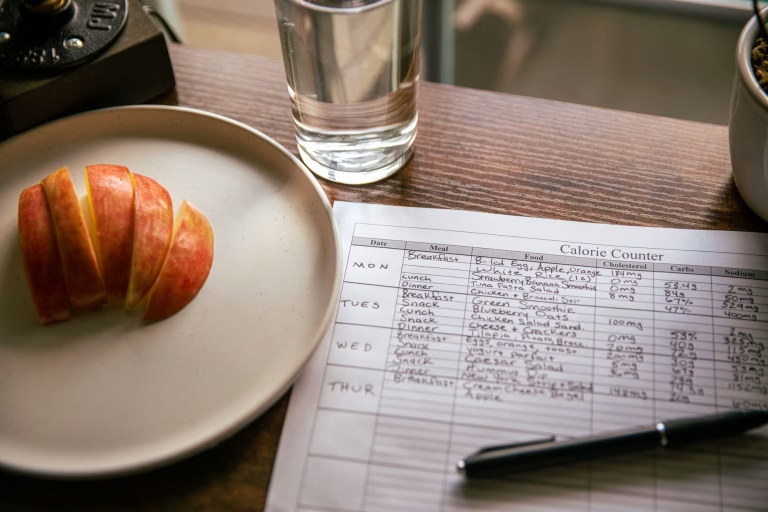
16. Track Your Progress
Tracking can help you understand whether your strategy is actually working.
You can monitor:
- Body weight
- Waist measurement
- Exercise sessions
- Daily steps
- Food intake
- Sleep
- Progress photos
You don’t have to track everything.
For example, weighing yourself regularly and measuring your waist every few weeks may provide useful information about your progress.
Remember that body weight naturally fluctuates. One day of higher weight does not necessarily mean you’ve gained body fat.
Look at trends over several weeks rather than reacting to individual measurements.
17. Avoid Extreme Diets
Extreme diets often promise dramatic results in a short period.
The problem is that a strategy can work temporarily while being difficult to maintain.
Very restrictive diets may leave you feeling hungry, frustrated, or socially isolated.
A better approach is to build an eating pattern that you can realistically continue.
The CDC notes that people who lose weight gradually and steadily are generally more likely to maintain that loss than people who lose weight rapidly.
Think long-term.
Your goal isn’t simply to lose belly fat for four weeks. Your goal is to develop habits that help you maintain a healthier body composition afterward.
18. Be Consistent on Weekends
A common problem is eating carefully during the week and then consuming substantially more food on weekends.
One restaurant meal isn’t the problem.
The bigger issue is allowing several days of overeating to completely offset the habits established during the week.
You can still enjoy social meals.
Try:
- Eating a normal meal before going out if you’re extremely hungry
- Choosing reasonable portions
- Eating slowly
- Drinking water
- Enjoying your favorite foods without turning one meal into an entire weekend of overeating
Consistency does not mean perfection.
19. Build Habits Instead of Depending on Motivation
Motivation changes.
Some days you will feel energetic and excited about exercising. Other days you won’t.
That’s why systems matter.
Instead of saying:
“I need to exercise more.”
Create a specific habit:
“I’ll walk for 20 minutes after dinner on Monday, Wednesday, Friday, and Saturday.”
Instead of:
“I’ll eat healthier.”
Try:
“I’ll prepare protein and vegetables for lunch before work.”
Specific habits are easier to follow because you know exactly what you’re supposed to do.
NIDDK recommends setting specific goals and using tracking and support to help maintain healthy lifestyle changes.
20. Focus on Long-Term Fat Loss, Not a Quick Fix
The final strategy may be the most important.
Don’t measure success only by how quickly your stomach becomes flatter.
Look at the bigger picture.
Are you:
- Eating more nutritious foods?
- Moving more?
- Getting stronger?
- Sleeping better?
- Drinking fewer sugary beverages?
- Eating appropriate portions?
- Maintaining your routine?
- Gradually losing excess weight?
These are much more meaningful indicators of progress.
Weight management is influenced by many factors, including age, genetics, medications, medical conditions, environment, stress, sleep, and lifestyle.
That is why two people can follow similar routines and experience different results.
What Is the Fastest Way to Lose Belly Fat?
There is no reliable shortcut that selectively removes belly fat.
The most effective approach is usually a combination of:
- Maintaining a sustainable calorie deficit
- Eating enough protein and fiber
- Choosing mostly nutrient-dense foods
- Limiting excess added sugar and high-calorie drinks
- Walking and moving more
- Performing strength training
- Getting adequate sleep
- Managing stress
- Tracking progress
- Staying consistent
Regular physical activity combined with an appropriate eating pattern can help create the energy deficit required for weight loss.
Can You Lose Belly Fat Without Going to the Gym?
Yes.
A gym membership is not required for fat loss.
You can increase your activity through walking, cycling, hiking, dancing, home workouts, bodyweight exercises, and other activities.
Strength training can also be performed at home with bodyweight movements or simple equipment.
The important question isn’t whether you have access to a gym.
It’s whether you can consistently move your body and maintain an eating pattern appropriate for your goals.
How Long Does It Take to Lose Belly Fat?
There is no universal timeline.
Your rate of progress can depend on your starting weight, calorie intake, activity level, genetics, age, sleep, medications, medical conditions, and other factors.
Avoid expecting dramatic changes in a few days.
Instead, track your progress over several weeks and months.
Even modest weight loss can provide health benefits. The CDC notes that losing around 5% of body weight can improve certain health markers for people who are above a healthy weight.
Foods to Eat More Often for Fat Loss
There is no single food that burns belly fat.
However, some foods can make a healthy eating pattern easier to maintain.
Consider eating more:
- Eggs
- Fish
- Chicken
- Lean meats
- Beans
- Lentils
- Greek yogurt
- Vegetables
- Whole fruits
- Oats
- Brown rice
- Whole grains
- Nuts
- Seeds
- Avocado
The emphasis should be on the overall dietary pattern rather than searching for one “fat-burning” ingredient.
Foods and Drinks to Limit
You don’t have to completely ban any particular food.
However, limiting foods and beverages that are easy to overconsume can make creating a calorie deficit easier.
These may include:
- Sugary soft drinks
- Sweetened coffee
- Excessive alcohol
- Candy
- Pastries
- Deep-fried foods
- Highly processed snacks
- Large portions of calorie-dense foods
The key is moderation and consistency rather than perfection.
A Simple 2026 Belly-Fat-Loss Routine
If you want to turn these strategies into an everyday plan, start simple.
Morning
- Drink water
- Eat a protein-rich breakfast if you prefer breakfast
- Take a short walk or stay active
Afternoon
- Choose a balanced lunch
- Include protein and vegetables
- Take a short walking break
Evening
- Eat a reasonable dinner
- Take a 10–30 minute walk
- Avoid mindless snacking in front of screens
Weekly
- Aim for at least 150 minutes of moderate physical activity
- Perform strength training at least twice
- Track your progress
- Plan meals and snacks
- Review what worked and what didn’t
You can gradually increase activity as your fitness improves. Current CDC guidance recommends at least 150 minutes of moderate aerobic activity per week and muscle-strengthening activities on at least two days.
Common Belly Fat Loss Mistakes to Avoid
Even with a good plan, several mistakes can slow progress.
Doing only abdominal exercises
Crunches strengthen your core but aren’t a substitute for an overall fat-loss strategy.
Eating too little
Extreme restriction can make a diet difficult to maintain.
Eliminating all carbohydrates
Carbohydrates aren’t automatically responsible for belly fat. Whole grains, fruits, vegetables, and legumes can be part of a healthy eating pattern.
Relying on detox products
Your fat loss should not depend on teas, detox drinks, or miracle supplements.
Expecting overnight results
Body composition changes take time.
Ignoring sleep
Exercise and nutrition are important, but healthy weight management also involves adequate sleep and stress management.
Frequently Asked Questions
What are the best ways to lose belly fat in 2026?
The best ways to lose belly fat in 2026 include maintaining a sustainable calorie deficit, eating enough protein and fiber, reducing excess added sugar and liquid calories, increasing physical activity, strength training, getting enough sleep, managing stress, controlling portions, and staying consistent.
Can walking reduce belly fat?
Walking can contribute to overall weight and fat loss by increasing physical activity and energy expenditure. It is particularly useful because it is accessible and can be incorporated into everyday life.
Do crunches burn belly fat?
Crunches can strengthen abdominal muscles, but they do not specifically remove belly fat. A broader fat-loss strategy involving nutrition and whole-body physical activity is more appropriate.
Is it possible to lose belly fat without dieting?
You don’t necessarily need a highly restrictive “diet.” However, your overall food intake still matters. Sustainable improvements in food choices, portions, and eating habits can help create the energy deficit needed for weight loss.
Does drinking water help lose belly fat?
Water itself does not directly burn belly fat. However, replacing high-calorie sugary drinks with water can reduce calorie intake and support a healthier eating pattern.
What exercise is best for belly fat?
There isn’t one exercise that specifically targets belly fat. A combination of aerobic activity, strength training, and increased daily movement is generally more useful than relying on a single exercise.
How can I lose belly fat naturally?
Focus on sustainable lifestyle habits: eat nutrient-dense foods, maintain appropriate portions, consume adequate protein and fiber, move regularly, strength train, sleep well, manage stress, and maintain consistency.
Final Thoughts
The best ways to lose belly fat in 2026 aren’t based on a miracle food, complicated workout, or overnight transformation.
They are based on fundamentals that remain effective: eat appropriately, move regularly, build and maintain muscle, sleep well, manage stress, and create habits you can continue.
Start with just a few changes.
Replace sugary drinks with water.
Walk every day.
Add protein to your meals.
Eat more vegetables and whole foods.
Strength train twice a week.
Improve your sleep routine.
Track your progress.
Then build from there.
Most importantly, remember that belly-fat loss is only one part of improving your health. A sustainable lifestyle that improves your fitness, nutrition, sleep, strength, and overall well-being is far more valuable than chasing a perfectly flat stomach.
If you have a medical condition, take medications that affect weight, are pregnant or breastfeeding, or have a history of disordered eating, speak with an appropriately qualified healthcare professional before making major changes to your diet or exercise routine.
Consistency beats quick fixes—and sustainable progress beats extreme dieting.